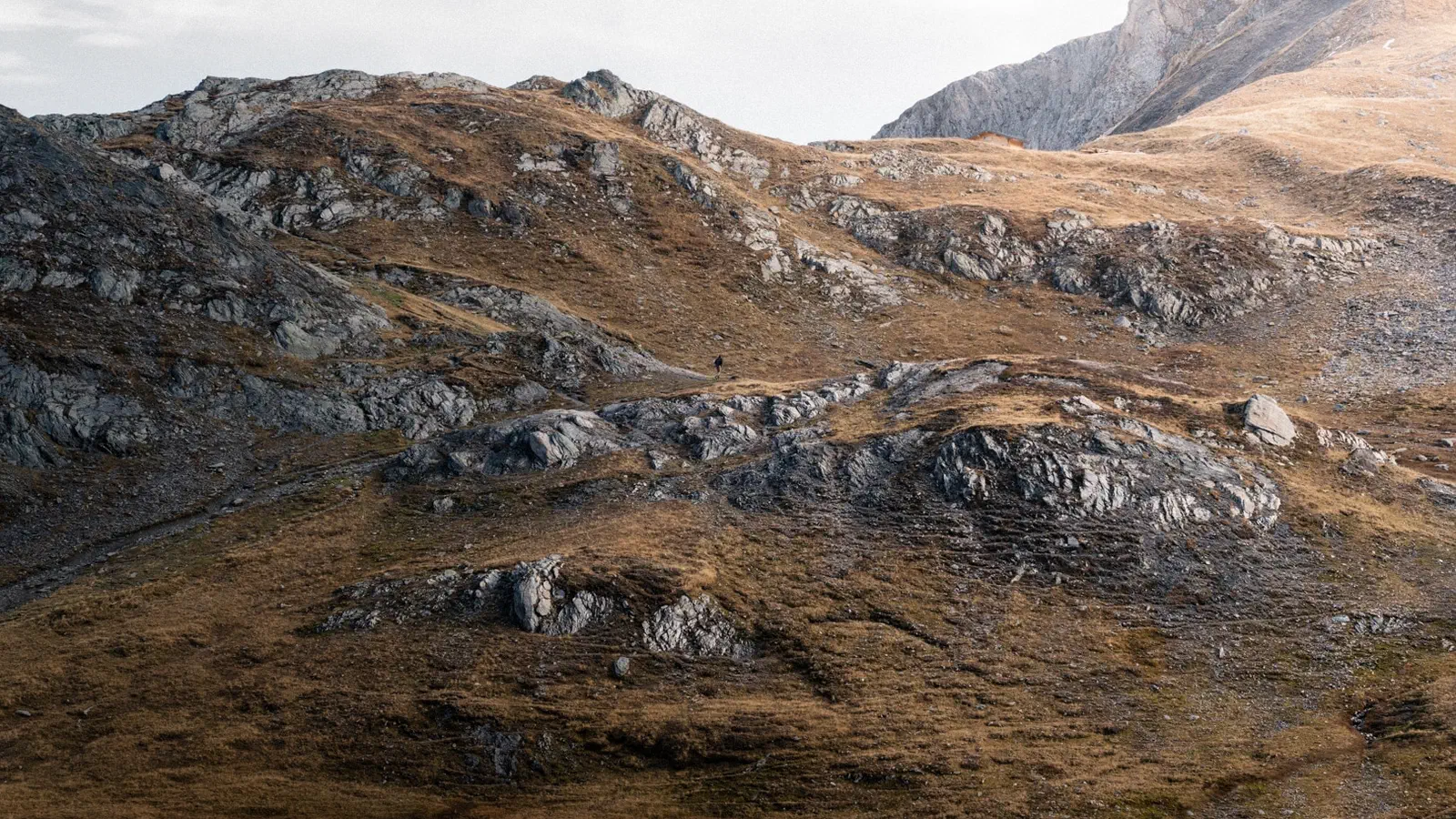
Photography: prime lens vs zoom
In photography, choosing a lens is crucial to getting the image quality you want. The two most common types of lenses are prime lenses and zoom lenses. Each has its own advantages and disadvantages, depending on the needs and preferences of the photographer. In this article, we will look at both to help you choose the one that best fits your photographic practice.
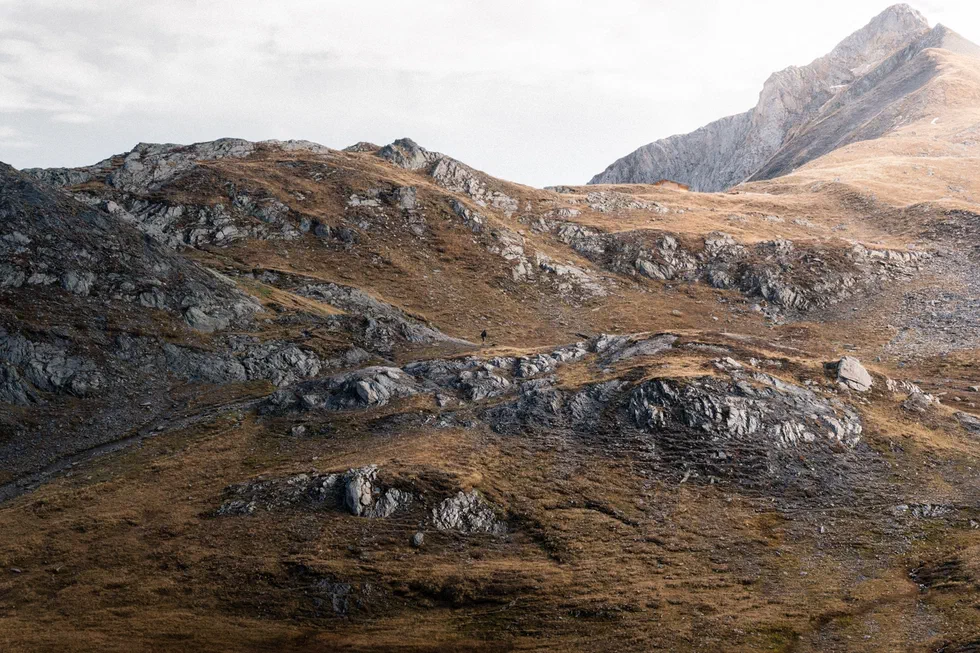
A hiker in the Alps, photographed with a 24-70mm f/2.8 lens.
The advantages of a prime lens in photography
A prime lens is an essential tool for many photographers. Unlike a zoom, which lets you vary the focal length, a prime lens stays fixed. However, it offers many advantages in terms of image quality and creativity. First, a prime lens is often brighter than a zoom, with a wider maximum aperture. This means you can capture images in low light without needing flash or a large ISO increase. A wider aperture also helps create bokeh, giving a shallower depth of field that isolates the subject and creates artistic blur in the background.
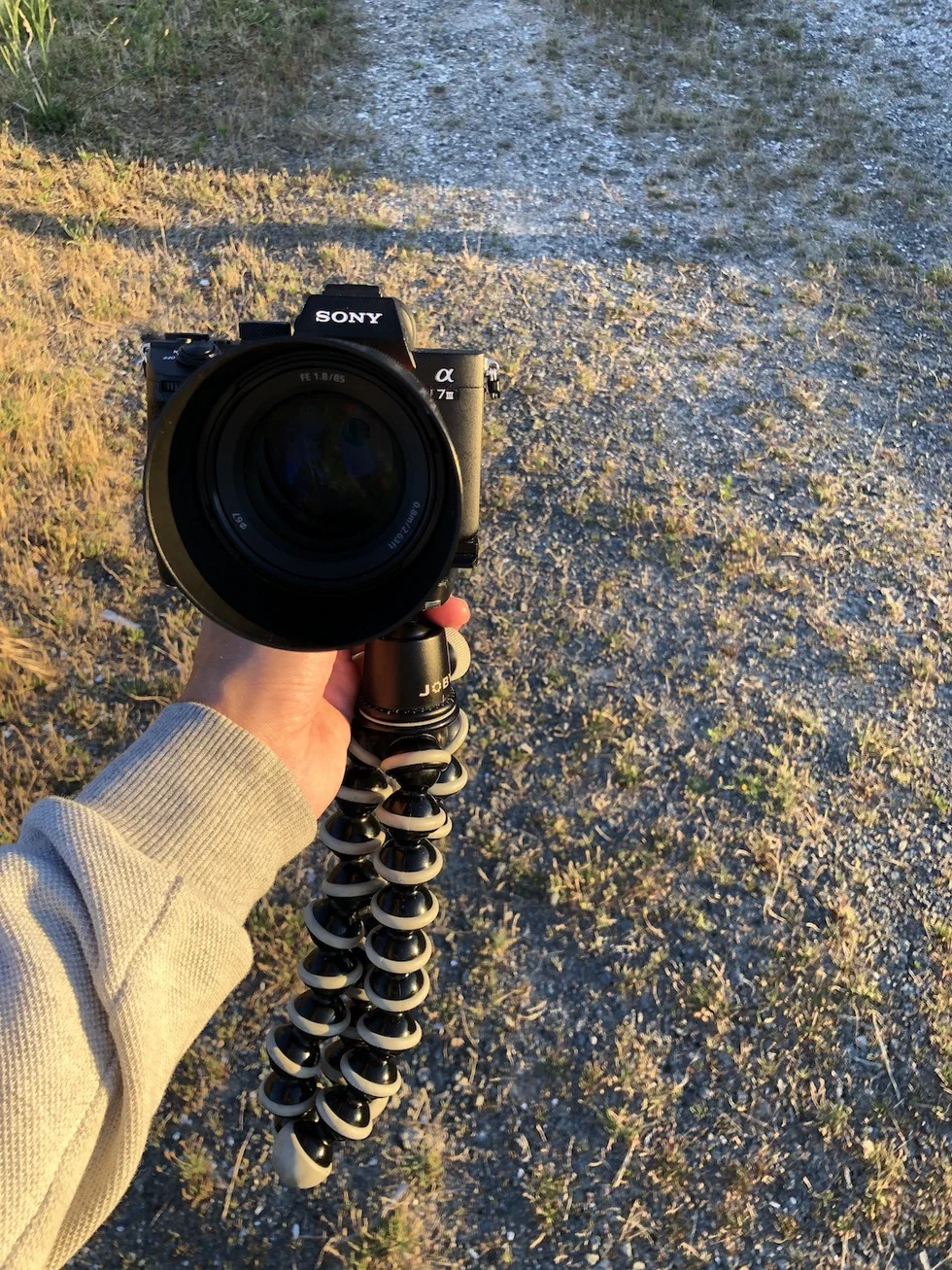
85mm f/1.8 before it was replaced by a 135mm f/1.8 ;)
Another advantage of a prime lens is image quality. Prime lenses are often sharper and more precise than zooms because they are designed for one specific focal length. The lens is optimized for that focal length, which often results in better image quality. A prime lens is also usually smaller and lighter than a zoom, making it easier to carry and more discreet for public photography sessions. Finally, using a prime lens forces the photographer to move physically to frame the photograph.
The advantages of a zoom lens in photography
Talking about the advantages of zoom lenses is essential for both amateurs and professionals. With a zoom, it is easy to change focal length, giving greater versatility in composition and shooting. Variable focal length lenses are also more practical for travel or events. They avoid the need to constantly change lenses depending on the subject. Modern zooms also often provide image quality equal to, or even better than, prime lenses, although you usually have to pay for it. Finally, a zoom with built-in image stabilization can capture sharp images handheld, even in low light. Generally, these are lenses that open at f/2.8.
Using a zoom can also create unique visual effects. With a long focal length, you can compress perspective and create closer-looking planes without physically approaching the subject. This can highlight details often invisible to the naked eye or create original compositions. Modern zooms also often offer large apertures, letting you play with depth of field and still create bokeh. In short, the zoom is a versatile and practical tool that can produce quality images while leaving room for creativity. It can be harder to tame because we tend to move less ourselves and zoom with the lens rather than with our feet.
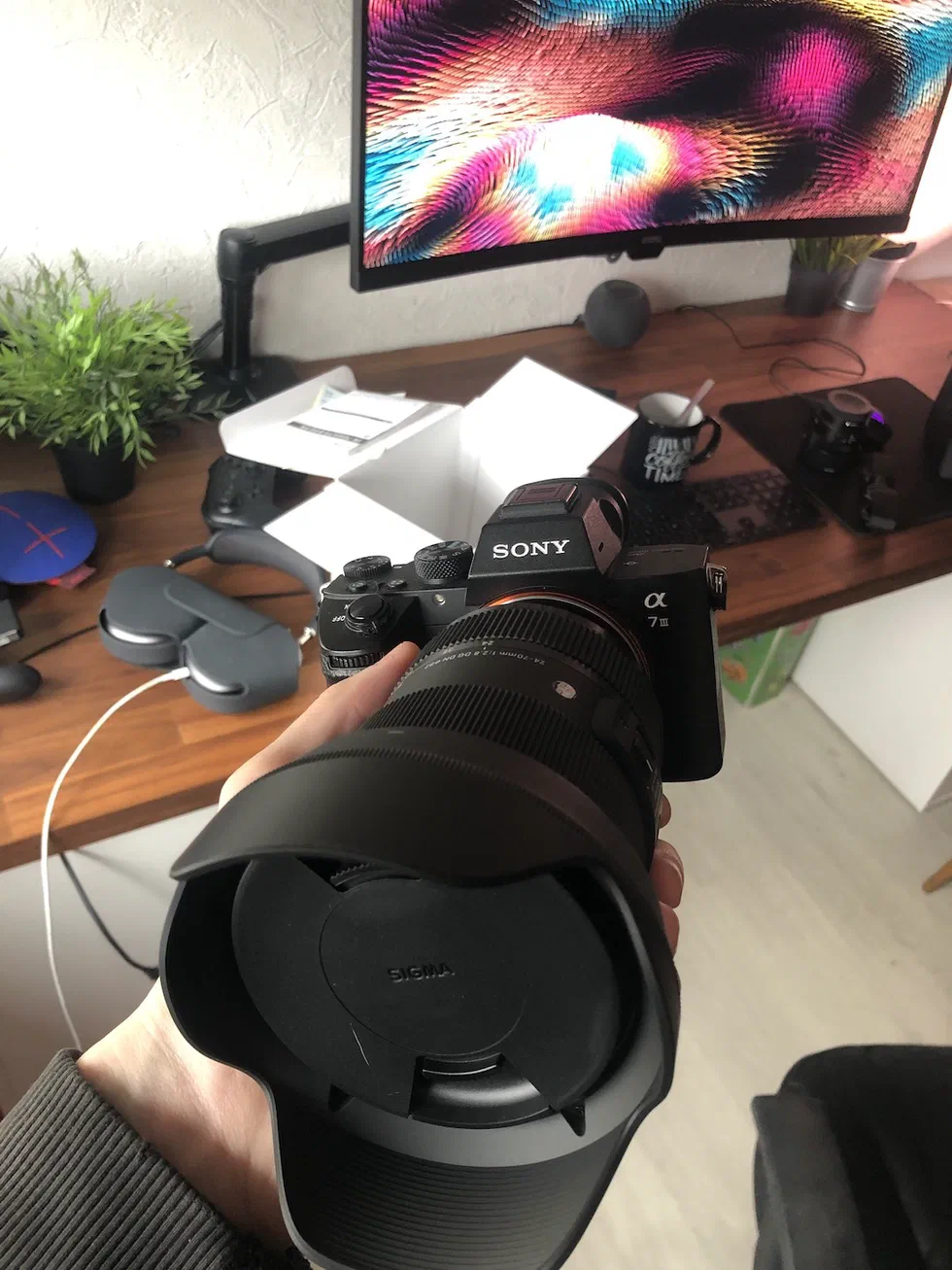
Before vanlife, the day I received the Sigma Art 24-70mm f/2.8.
50mm f/1.8 vs 24-70mm f/2.8
When choosing between a 50mm f/1.8 and a 24-70mm f/2.8, it is important to consider how you plan to use your photographs. The 50mm is perfect for portraits and low-light work thanks to its maximum aperture of f/1.8. That wide aperture lets you get beautiful bokeh, creating artistic blur behind your subject. The fixed focal length also forces you to zoom with your feet, move around and find the best angle. That can be a challenge, but it can also create more natural, organic photographs.
On the other hand, the 24-70mm is a versatile lens suited to many shooting situations. With its maximum aperture of f/2.8, it can also produce beautiful low-light photographs, while offering a zoom range that lets you quickly get closer to your subject without moving. Many versions also include built-in stabilization, allowing sharp handheld photographs even at longer focal lengths. If you want a versatile lens that can do everything from landscapes to street photography and portraits, the 24-70mm may be the perfect choice, especially if you use a Sony camera with excellent image quality.
Personal opinion
The choice between a 50mm f/1.8 and a 24-70mm f/2.8 depends above all on your needs and your photographic style. Personally, I prefer using the 24-70 because it offers more versatility. With its wider focal range, I can capture both wide-angle and telephoto images without changing lenses along the way. And with the technical evolution of zooms in general, the optical quality of a 24-70 is often as good as, or even better than, many prime lenses. That lets me create images with a beautiful rendering, whether in portrait, landscape or reportage.
If this article speaks to you, you can see my photo reports, discover Pyrenees photo prints, or contact me about your photo project.