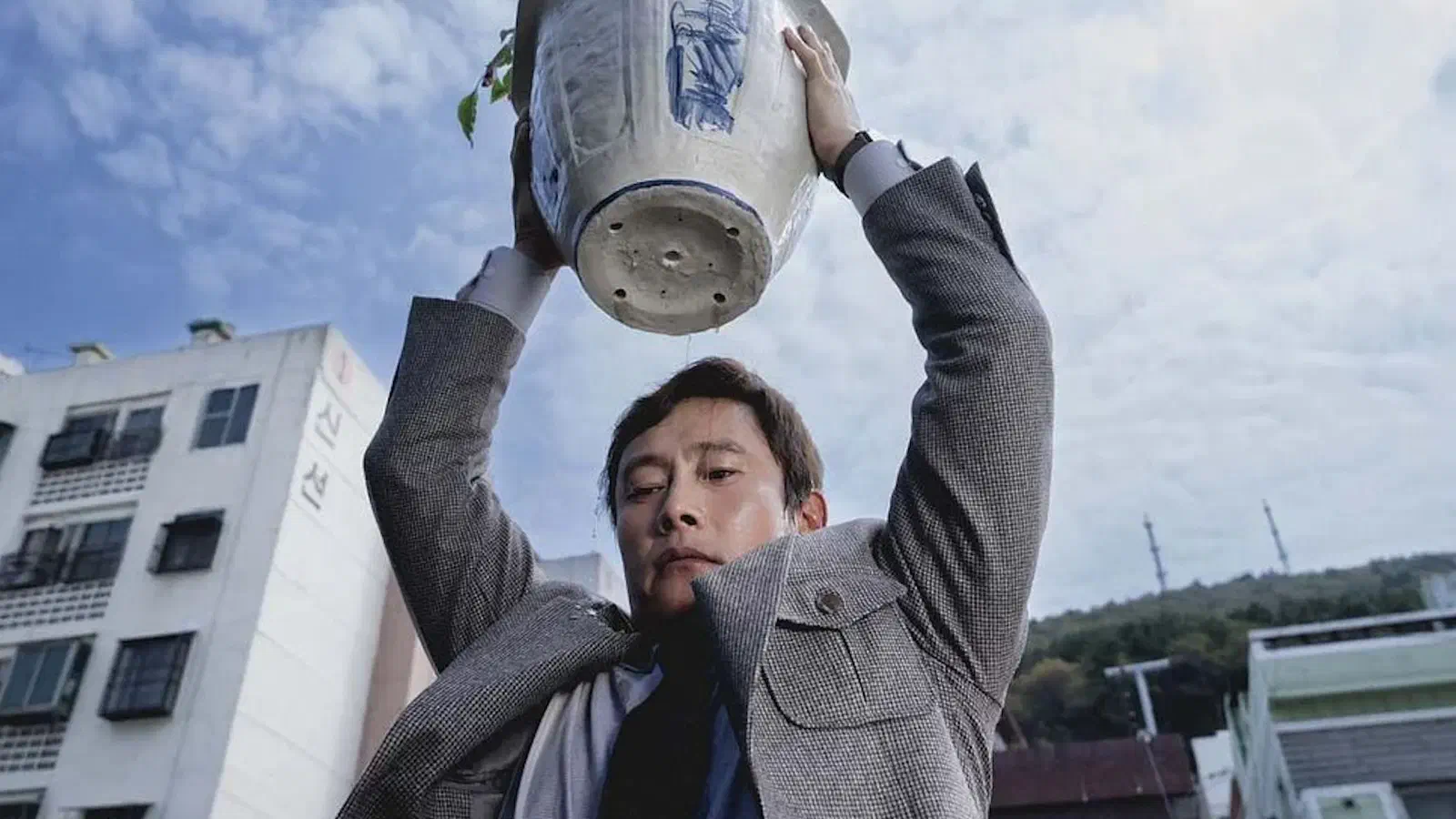
No Other Choice
When serendipity leads to discovery
So yes, I misread the date when I went to see the film Gourou in the small cinema in my village. I was thinking Pierre Niney might finally give me a good film to add to his record.
When a trailer in Korean started to feel suspiciously long, I understood that fate had saved me from Gourou, and I let myself be carried away by the story of a man who loses his job in paper manufacturing and does everything he can to find another one. No Other Choice is a fabulous film. But what really struck me, almost without my realizing it at the time, was Kim Woo-hyung’s cinematography.
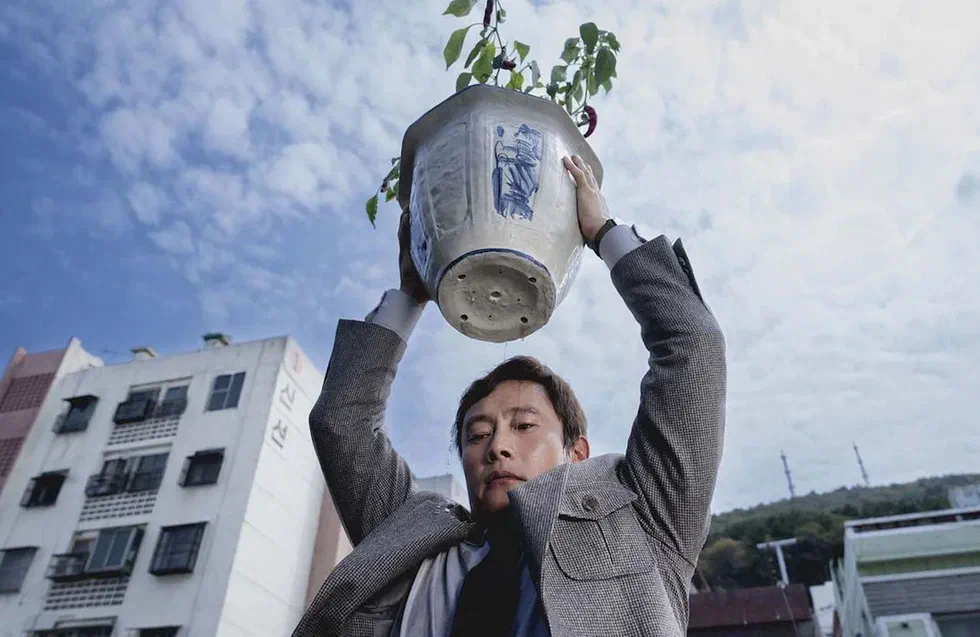
There is something very clean, almost clinical, in the way the image accompanies the character’s descent. The frames are sharp, often very composed, with spaces that breathe… but that quickly become suffocating. As if everything were too neatly arranged to be honest.
Light plays a huge part in that. It is never spectacular for no reason, but always in service of the story. It slowly slips from comfort toward something colder, harder. You feel the image following the character’s mental shift without ever overdoing it. It is subtle, but constant. And in fact, that may be why I liked it so much. Because everything is controlled. The staging is sometimes virtuosic, almost demonstrative, but the cinematography remains exactly right. It anchors the film in something real, almost ordinary, and that contrast makes some scenes even more disturbing. This is not a film that visually jumps at your throat. It is more insidious. It settles in, wraps around you, and before you realize it, you are already inside.
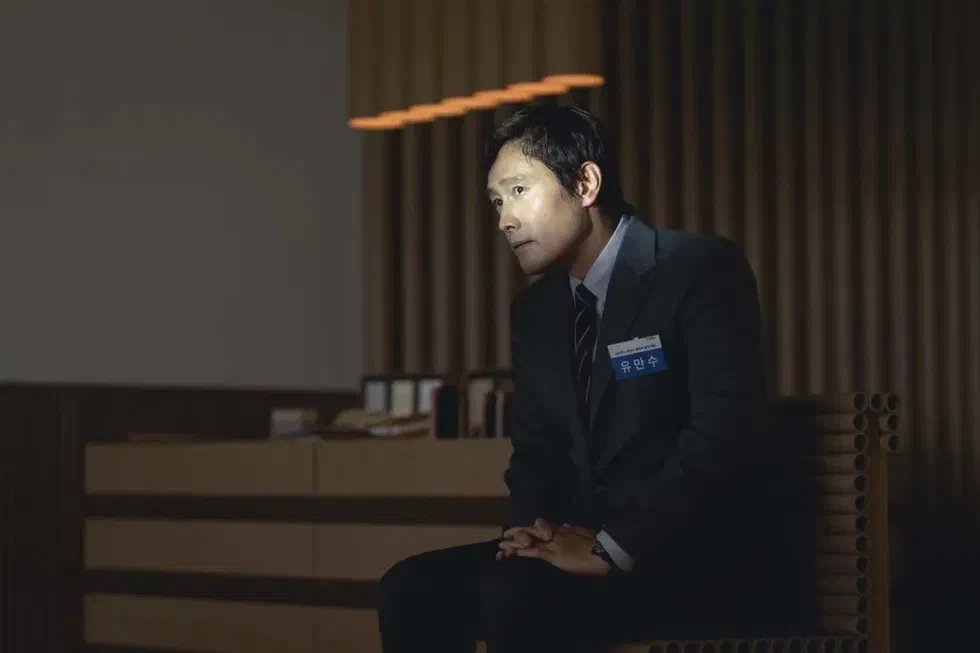
In the end, it is this mix between very ambitious staging and almost invisible cinematography that makes the film work so well. Nothing spills over, everything is in its place. And me, clearly, it completely took me along.
If this article speaks to you, you can see my photo reports, discover Pyrenees photo prints, or contact me about your photo project.