How long have you been doing photography?
I get asked this question at least once a week. Usually, people ask me what “gear” I use right after.
So, how long have you been doing photography, Mathieu Odin? Huh? Tell us!
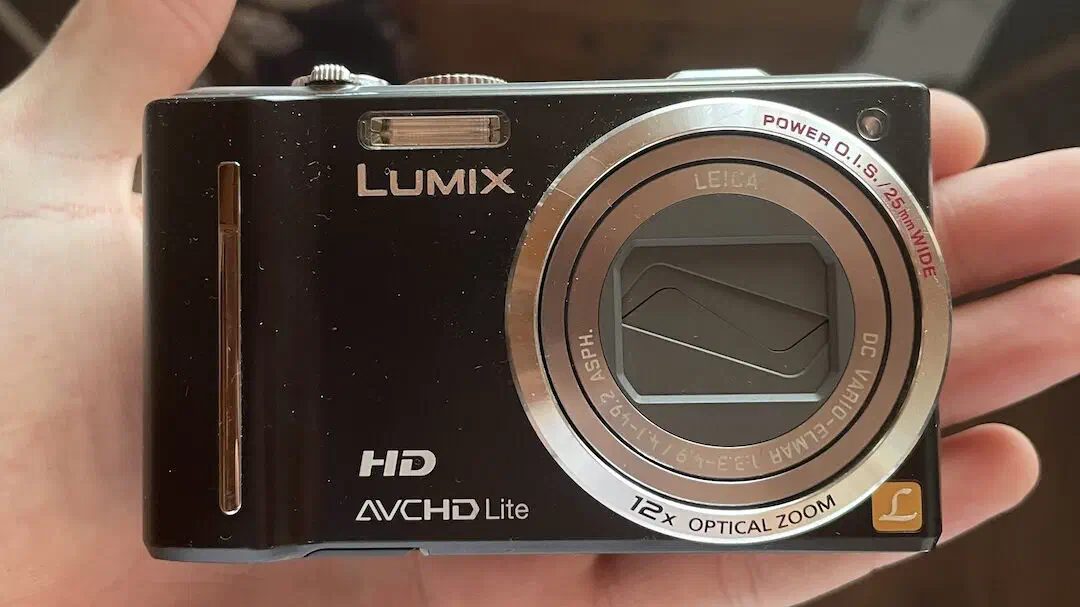
My first camera was a Panasonic Lumix DMC-TZ10. It came out in 2010 and we are now in 2023, so that makes 13 years! I even have a photo of it that I keep with nostalgia from one Mac to the next. What can I say about that camera? It often left me with a strange frustration when I used it, and I spent my time thinking it was because it was not powerful enough for the photos I wanted to make. Today, it belongs to my mother. I was able to use it again recently, and I made good photos with it.
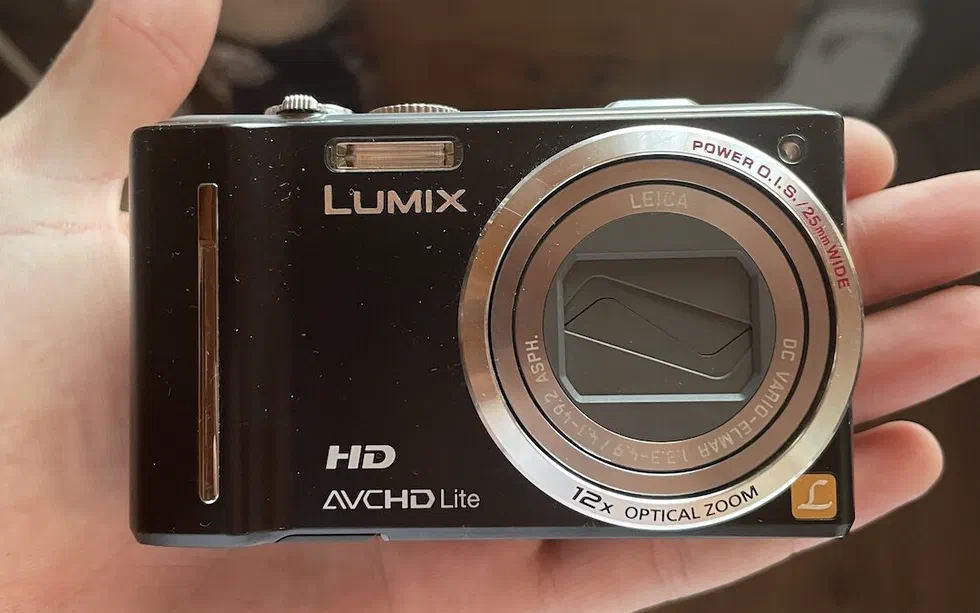
My famous TZ-10
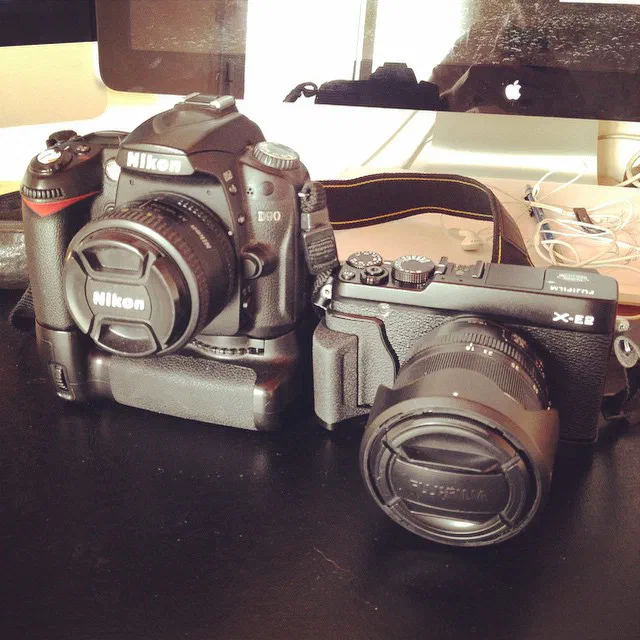
Even though it offered a somewhat limited experience, it was pleasant to make my first photographic discoveries with it. But carried by my desire to improve the look of my images, I quickly moved on to another camera. That was the arrival of the Nikon D90. I even have a photo or two lying around, you know, nostalgia.
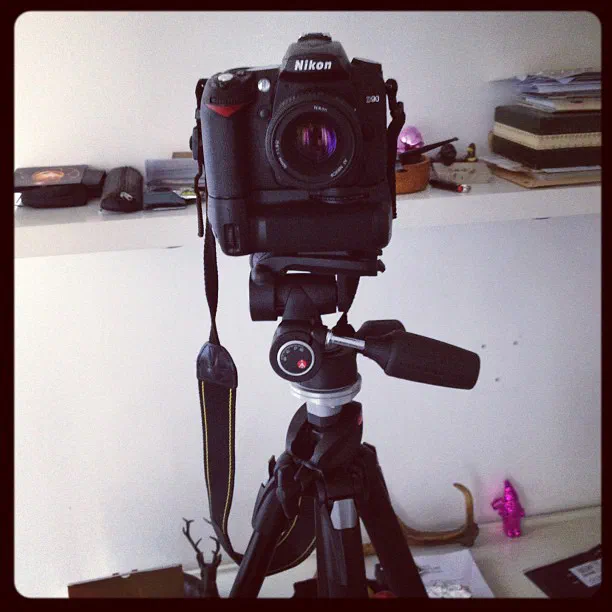
This comes from Instagram in its early days, so the quality is awful.
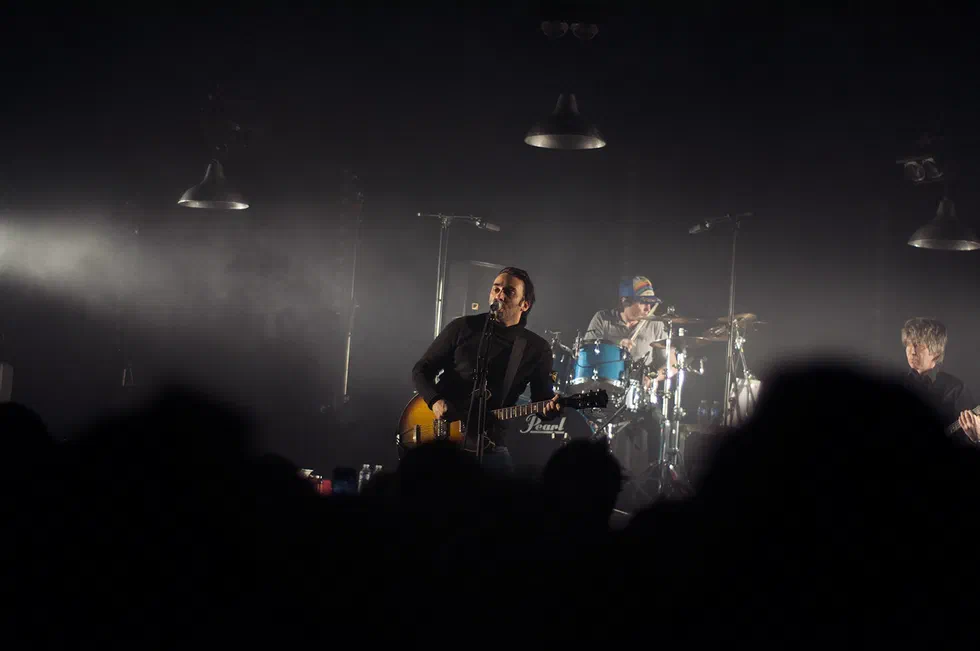
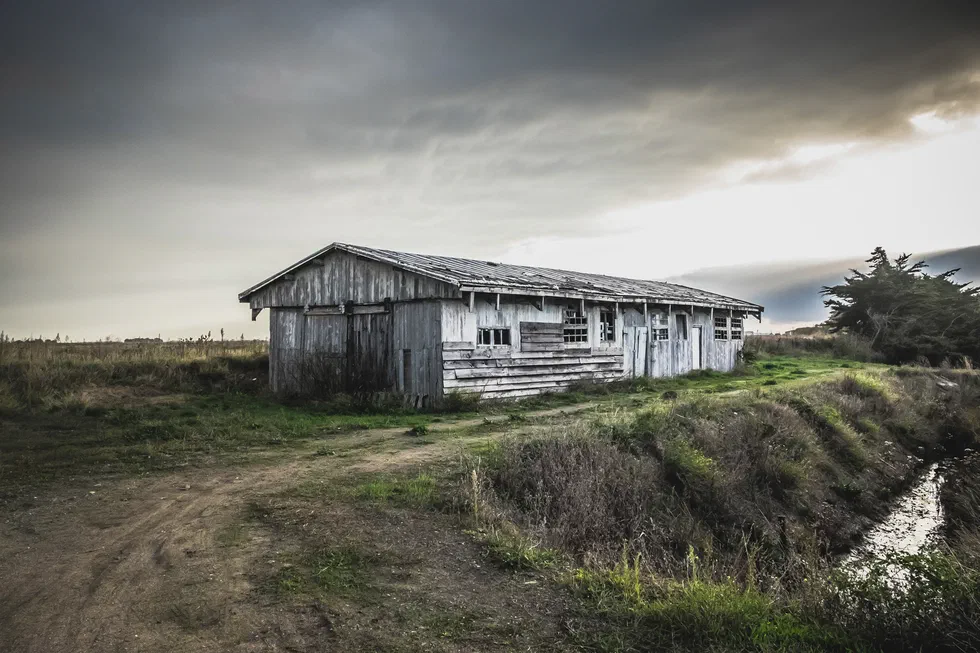
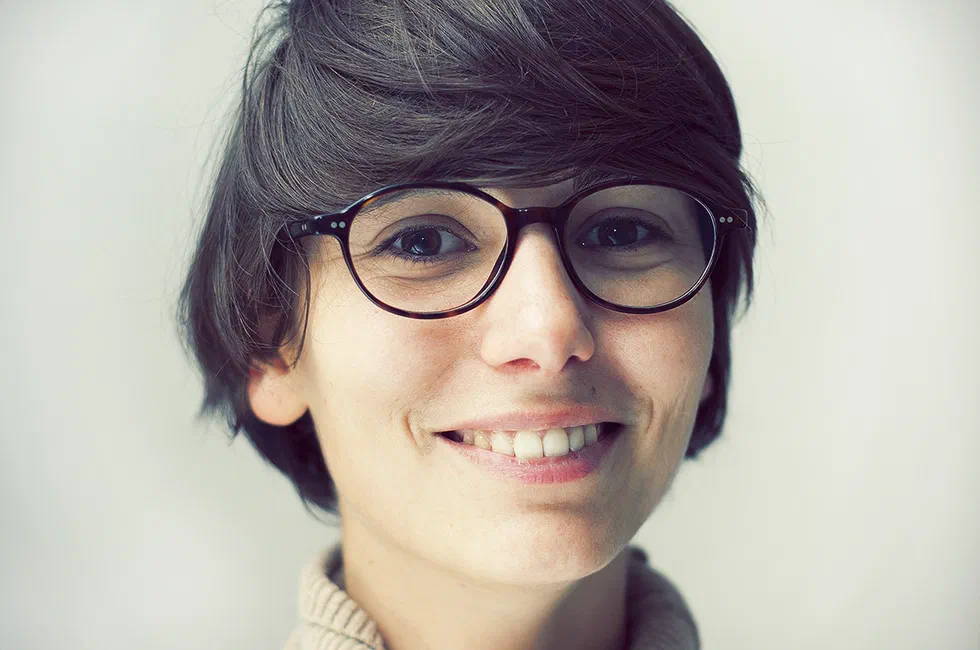
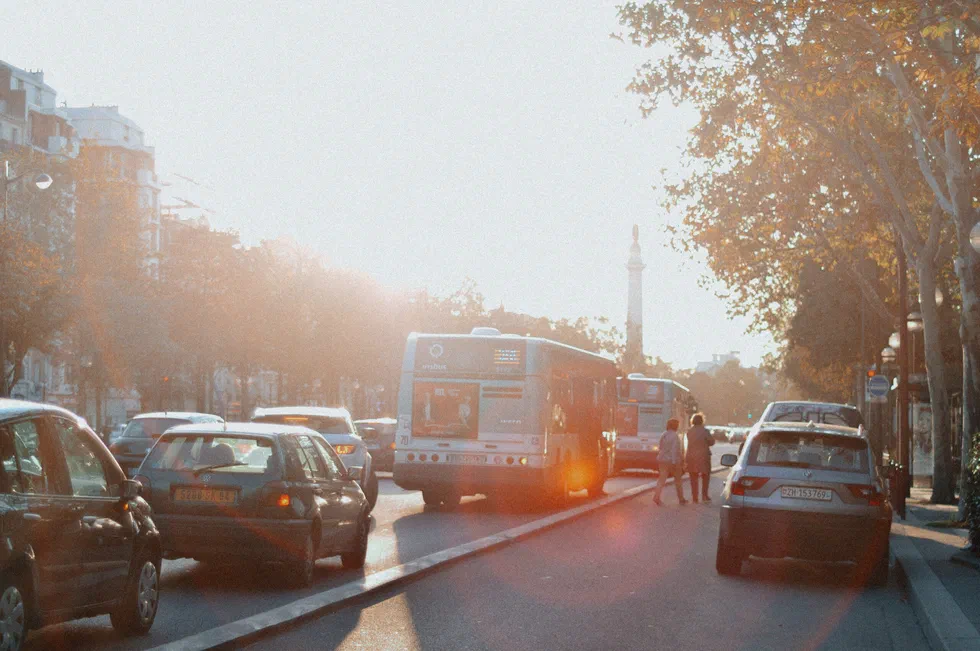
At that time, I was not even aware photo editing existed. I thought people who had amazing colors, crazy contrast, and so on, got it only thanks to their camera settings. If only you had seen me try everything for hours! Anyway. That story lasted only about 15 days, because I quickly understood that everyone was heavily editing their photos. You know, the dirty HDR era.
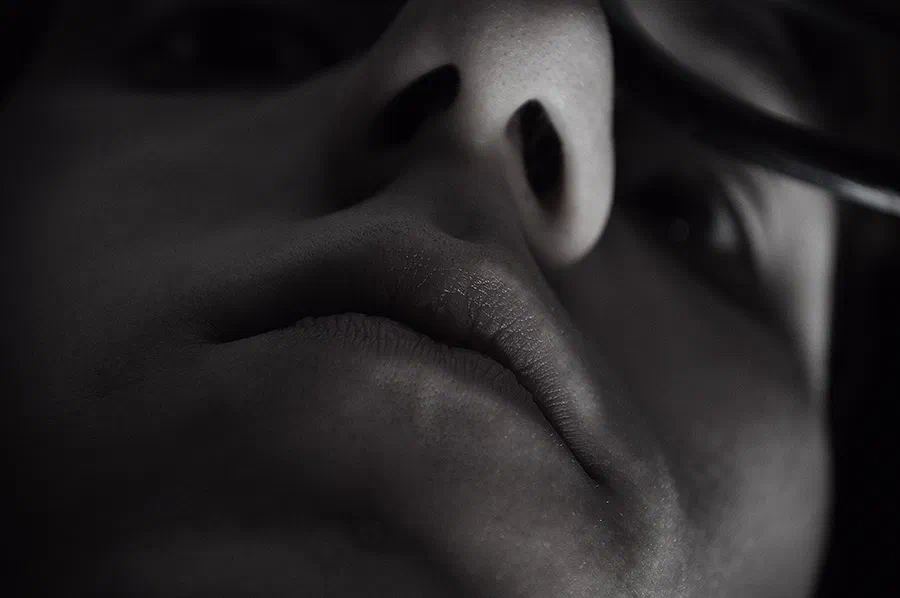
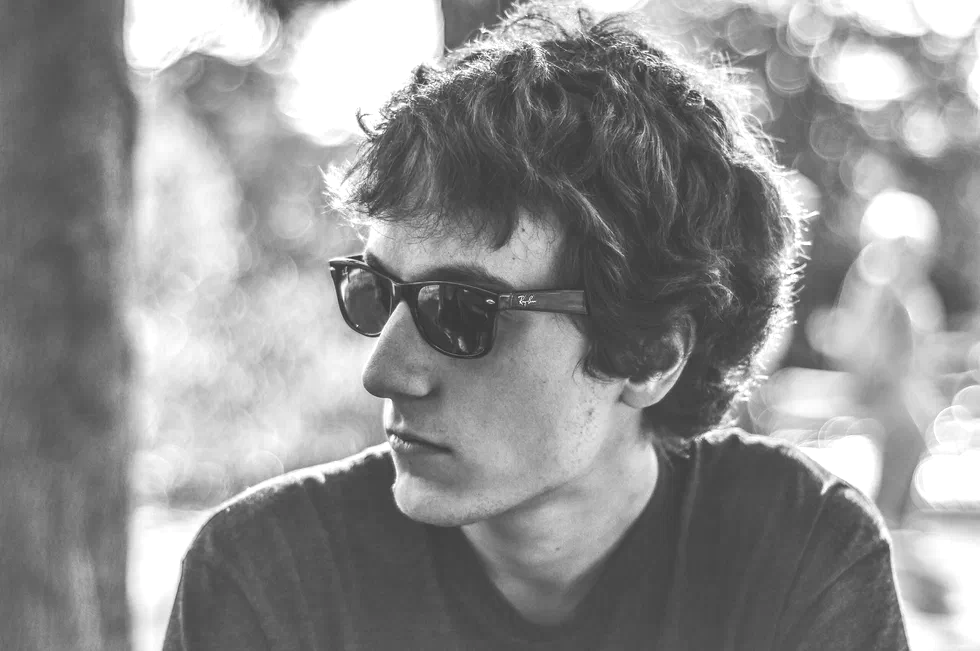
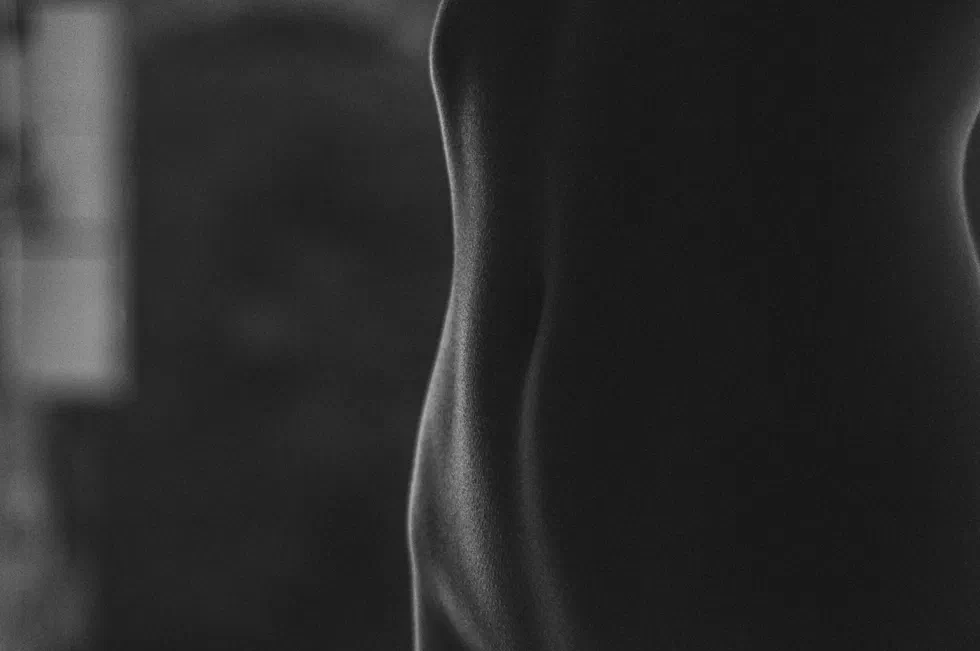
The D90 era looked like this for me:
From Nikon to Fujifilm
After my D90, I wanted a smaller, more discreet camera. So I bought a Fujifilm XE2 with an 18-55, then a 35mm 1.4.
Another Instagram photo
And there I was with Fujifilm. A real pleasure, not having PASM modes and having to use the camera “more intelligently”, at least in my opinion.
“PASM” is a common acronym in photography used to refer to the semi-automatic and manual shooting modes available on many cameras, especially DSLRs and interchangeable-lens cameras. Each letter stands for a specific mode: P - Program, A - Aperture Priority, S - Shutter Priority, M - Manual.
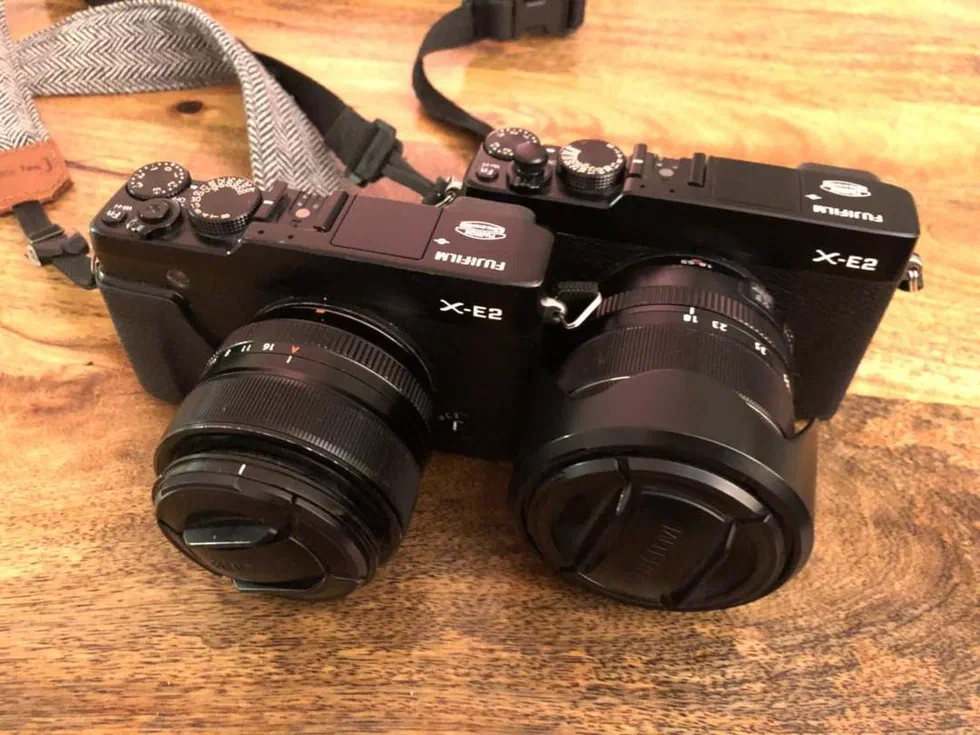
I even ended up with a second body for comfort.
But being an eternal minimalist, I always end up selling the things I own twice, even when they are comfortable to use. I like having only one camera to carry around and maintain. So when the XE3 came out, I decided to sell my two XE2 bodies and keep only that one.
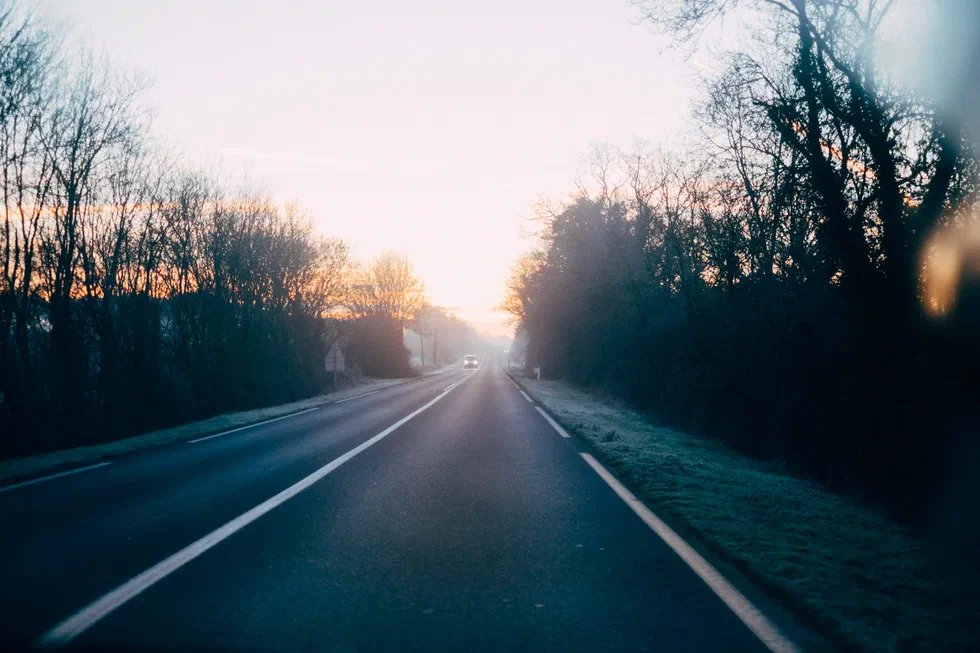
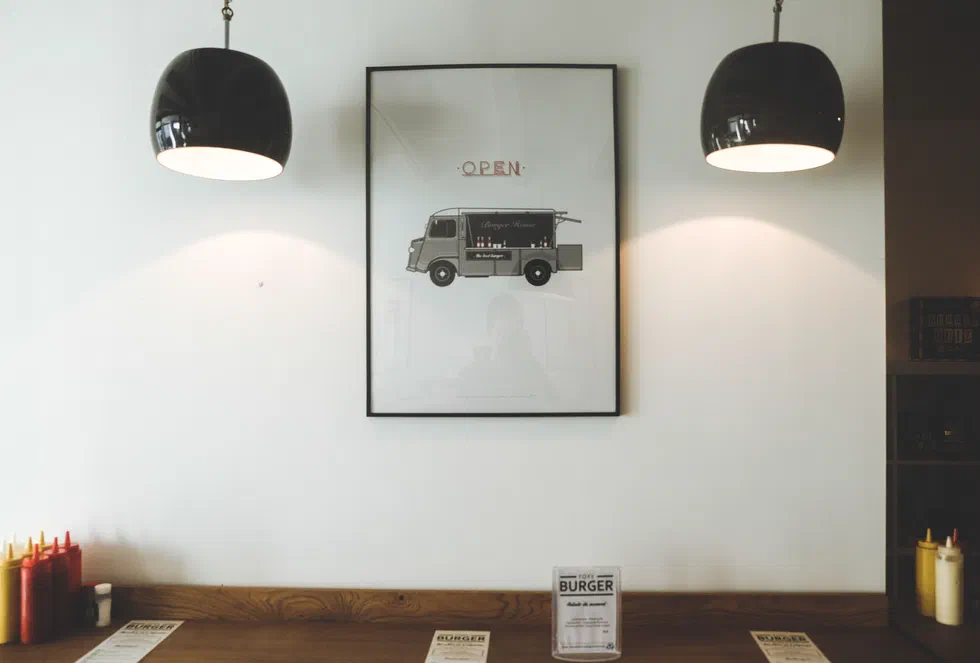
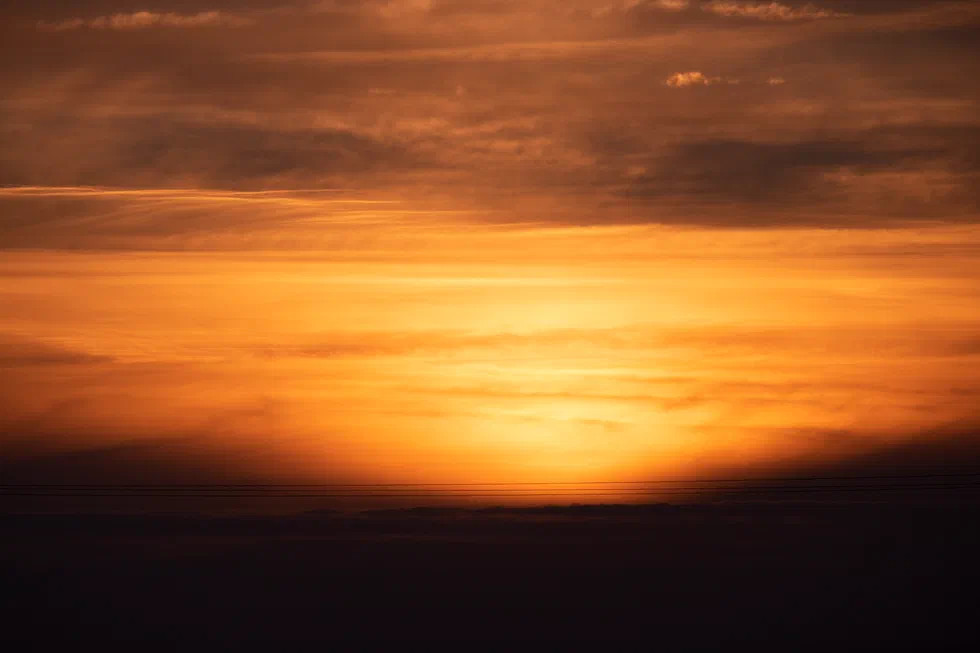
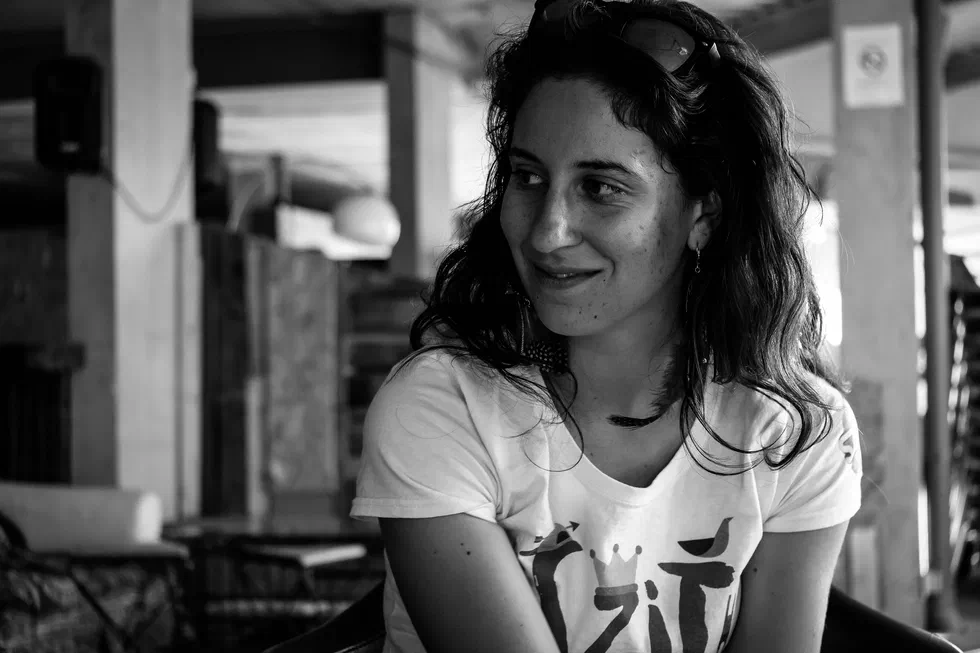
Fujifilm brought me clients
And there it was: the XE2, then the XE3, and the 35mm 1.4 I used 90% of the time started bringing me photography clients. I mostly sold portrait sessions, a few nude sessions, couple sessions, maternity shoots and newborn shoots. Curious to try it, I bought a Fuji 90mm F2 at the time, a delight! But my camera was starting to lose the advantage of being compact and unobtrusive.
It was my desire to shoot weddings that later pushed me, once again, to change gear, since the XE3 was a little limited in burst shooting. I took the opportunity to change sensor format and move to full frame: the beginning of the Sony adventure.
Sony, a real pleasure with a strange aftertaste
I love Sony. I started with an A7III, then a second one, and finally my current body: the A7RIV. I tried lots of lenses! 35mm 1.8, 50mm 1.8, 85mm 1.8, 135mm 1.8, 24-70 2.8, 70-200 2.8, before finally deciding to keep only the last two. The return of PASM, however, left a bitter taste. I tell myself that this flaw is balanced out by many other aspects, such as speed, image rendering, and so on. I have made, and still make, photos I love with Sony gear. Unfortunately, it does not disappear in the hand like a Fuji from the XE range.
From Sony to Leica?
So here we are. As you know, I find the Fuji shooting experience unique and I cannot really detach myself from it. It was such a pleasure to shoot that way, with such a discreet camera! I admit the Leica Q2 really caught my eye with its pocketable body, but after getting very quickly used to the 60 megapixels of the A7RIV, I could not see myself going backwards. So you can imagine that when the Leica Q3 was announced with better autofocus than its predecessor and a sensor with more megapixels, I fell in love! I decided to buy that body as soon as possible and see whether the experience would let me relive what I loved with Fuji while keeping the quality I have with Sony. Ideally, I would have a Leica Q3 alongside my A7RIV and its two zooms, to be certain I can keep working at weddings. Maybe later I will sell my 24-70 2.8 if the Q3 really lets me replace it.
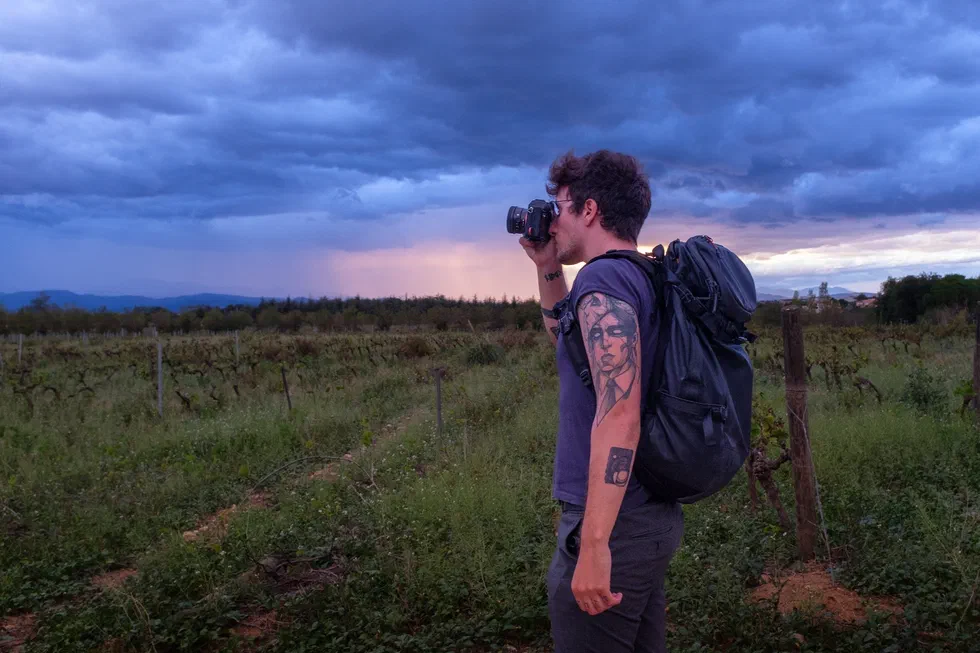
The Leica Q3 tattoo, is that too much?
The wait
For now, I am on a waiting list to get a Leica Q3. To be patient, I have just ordered a Sony 40mm 2.5, with an aperture ring, and it is a joy. On this occasion, I realized that a lens without that famous ring negatively affects my experience. I find it a shame, and not very intuitive, to do everything with the camera dial, something that is often linked to cameras with a PASM dial.
At the moment, I also have a Fuji X100F to test the experience of the X100 series that everyone talks about.
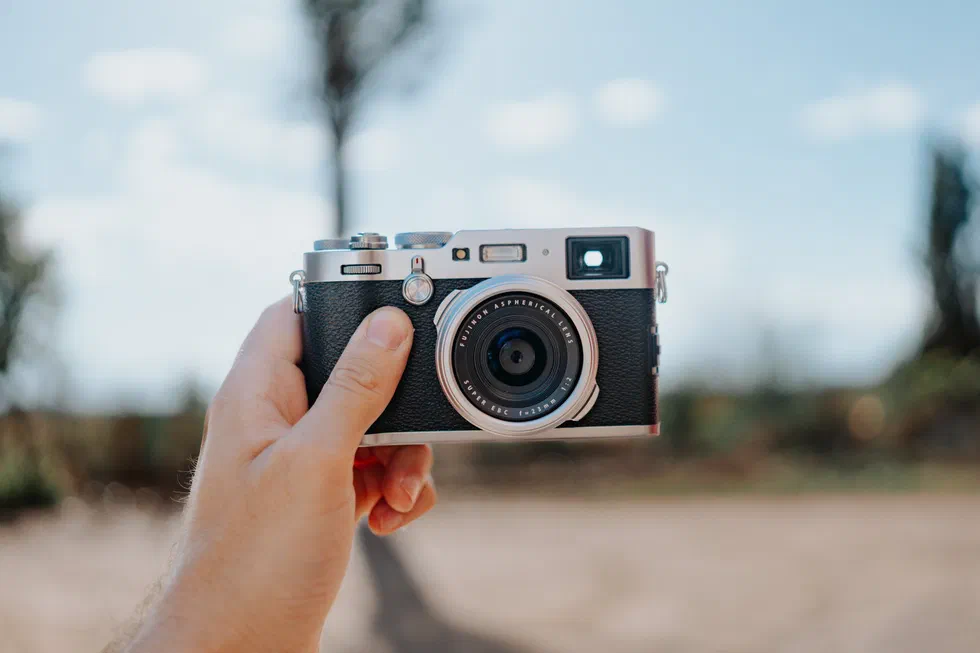
Fuji X100F photographed with the Sony A7RIV + 40mm 2.5 G
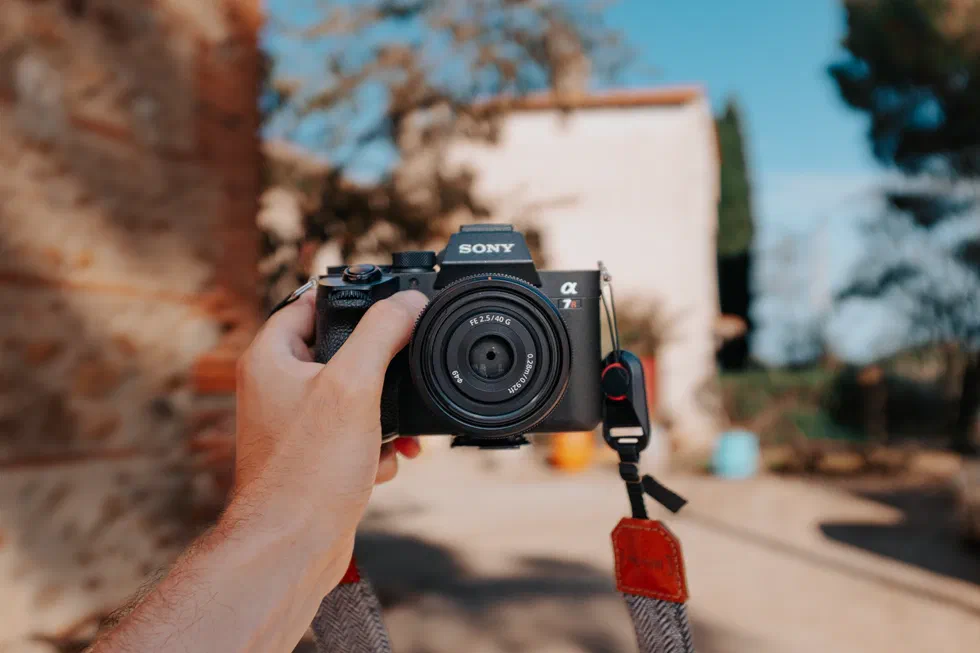
Sony A7RIV + 40mm 2.5 G photographed with the Fuji X100F
In short, every step in my photographic journey has brought me a new perspective on the way I shoot. Every camera, whether the Panasonic Lumix DMC-TZ10, the Nikon D90, the Fujifilm XE2 and XE3, or the Sony A7III and A7RIV, has contributed to my evolution as a photographer. Each of them has left its mark on my photographic vision.
Still, the shooting experience with Fujifilm has always had a special place for me, thanks to its simplicity and the discretion of the camera. That is why I am waiting impatiently for the Leica Q3, hoping to find that feeling again. It is not only about technical specifications, but also about the way the camera connects us to the way we look at a situation.
Kisses
If this article speaks to you, you can see my photo reports, discover Pyrenees photo prints, or contact me about your photo project.