Glasschive: seeing how lenses render in real life
Some websites stay open longer than expected.
Glasschive is clearly one of them. It is a curated library of full-resolution photographs, organized by cameras and lenses, with images made on Leica, Sony, Fujifilm, Voigtlander, Zeiss, Thypoch and other high-end photography systems.
The idea is simple, but genuinely valuable: helping photographers see how a lens renders in real life.
Not on a test chart.
Not in a 200% sharpness test.
Not in a table of technical specifications.
In images.

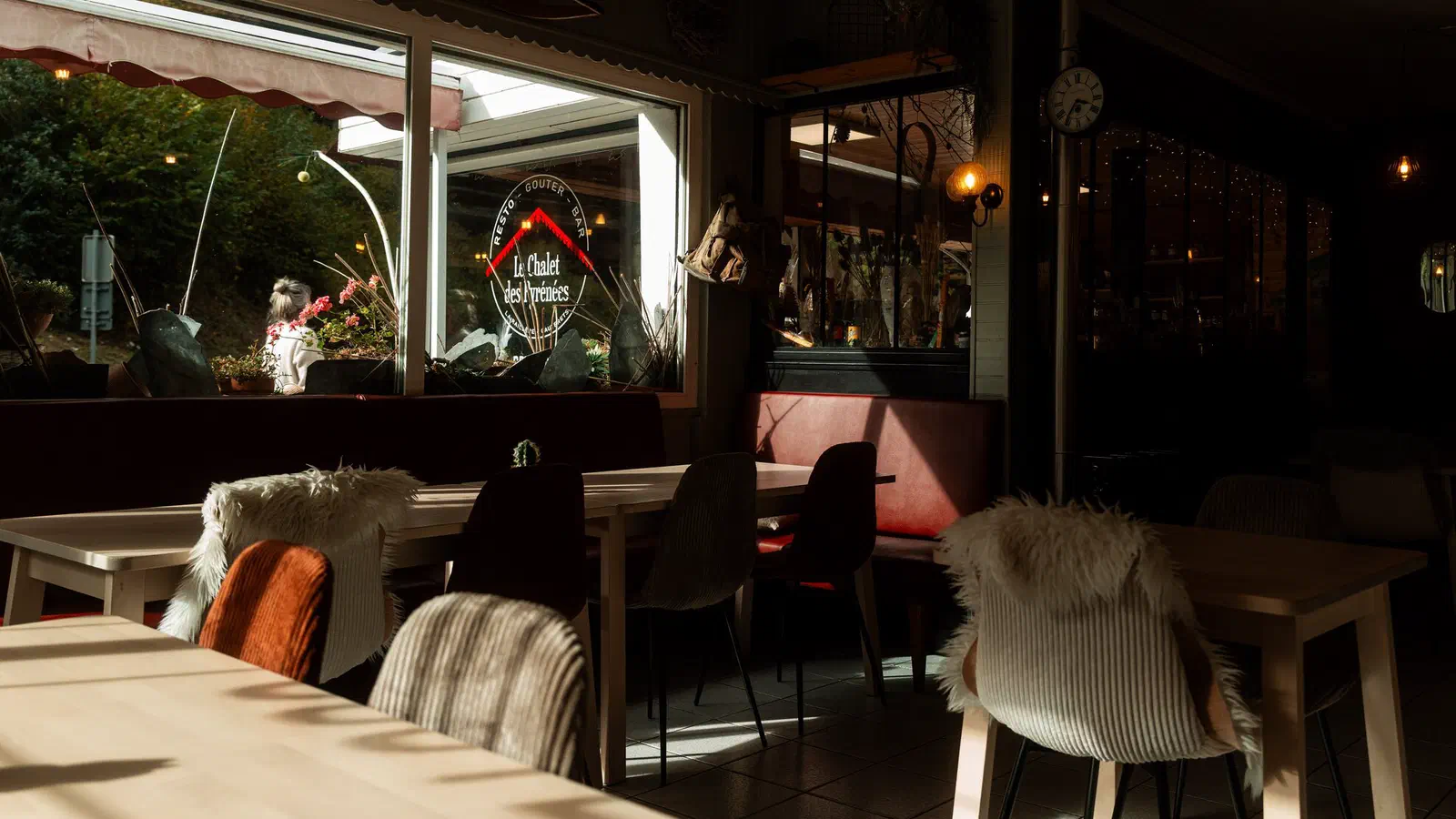
An image from the Fuji X100VI collection on Glasschive, perfect for observing color rendering, skin tones and detail. Photo credit: Juan Pablo (@juansuponatime), via Glasschive.
A site built around feeling
What I really like about Glasschive is that the site finally talks about photo gear the way we actually experience it.
When you are looking for a lens, you often end up in an endless loop: MTF curves, chromatic aberrations, corners wide open, sharpness comparisons, scores, rankings, review videos, brick walls, crops on street signs. All of that can be useful, of course. But it is not necessarily what makes you want to go out and take pictures.
A lens is not only optical performance. It is a way of translating light. A way of drawing colors, skin, volume, the transitions between sharpness and blur. Sometimes it is softness, sometimes tension, sometimes contrast, sometimes an imperfection that gives character.
Glasschive puts exactly that at the center: rendering, atmosphere, depth, color, bokeh, contrast and the overall feeling of an image.
And honestly, it feels good.
Jack Dixon’s project
Behind Glasschive is Jack Dixon, who created the site out of frustration with lens tests too often reduced to numbers and graphs.

Jack Dixon, creator of Glasschive. Credit: Glasschive.
His starting point speaks to me a lot: what makes a lens special is not only what it produces on a test bench, but what it creates inside an image. The way it renders light, colors, skin tones, depth and emotion.
Jack comes from design, storytelling and digital experiences, but photography has remained a creative constant for him. Glasschive came from a very concrete frustration: looking for real examples of images, well photographed and well edited, and too often ending up with files without intention or tests that felt too cold.
With Glasschive, he wanted to build a more sensitive archive, more visual and closer to real practice. An archive that lets you discover a lens through what it makes you want to create, not only through what a spec sheet tries to prove.
A community archive
The other strength of the site is that it is not built around one person’s eye.
Glasschive relies on a community of photographers who contribute their own images. Each lens page can become a kind of living gallery, fed by photographs made with intention and edited with care.
These are not random samples found on a forum. They are images submitted by photographers who genuinely like the gear they use and want to show what it can produce in real conditions.
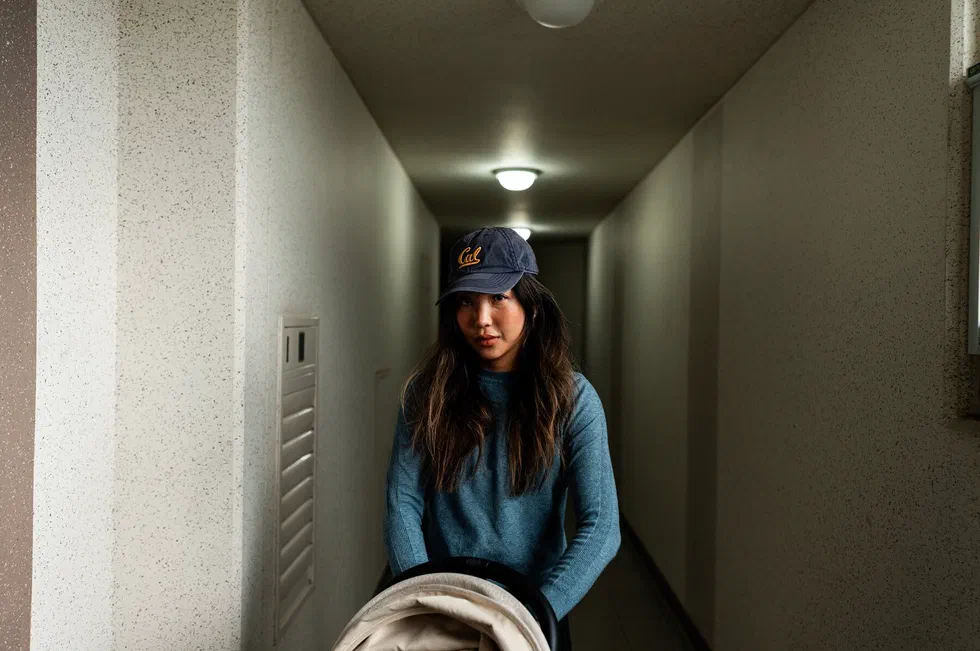
A photograph from a Voigtlander collection, with the mix of contrast, depth and mood that Glasschive makes it possible to compare. Credit: Glasschive.
I find this approach much more interesting than an isolated test. It lets you see a lens through several eyes, several places, several kinds of light, several ways of framing and editing an image.
In the end, that is exactly how you truly discover gear: not through a single truth, but through an accumulation of images that slowly reveal a character.
My contribution with the Leica Q3
I had the pleasure of contributing to Glasschive for the page dedicated to the Leica Q3 and its Summilux 28mm f/1.7 ASPH.
It is a camera I like a lot, precisely because it imposes a kind of simplicity. A compact body, a fixed focal length, a very recognizable rendering, and that fairly rare feeling of being able to take the camera out without thinking too much.
For Glasschive, my images help show the Q3 rendering in varied situations: mountains, soft light, everyday scenes, more contrasted moods, details, portraits and landscapes. What I like about that page is that it does not try to say, “here is why this camera is technically perfect.” Instead, it shows what it produces when it is actually used.
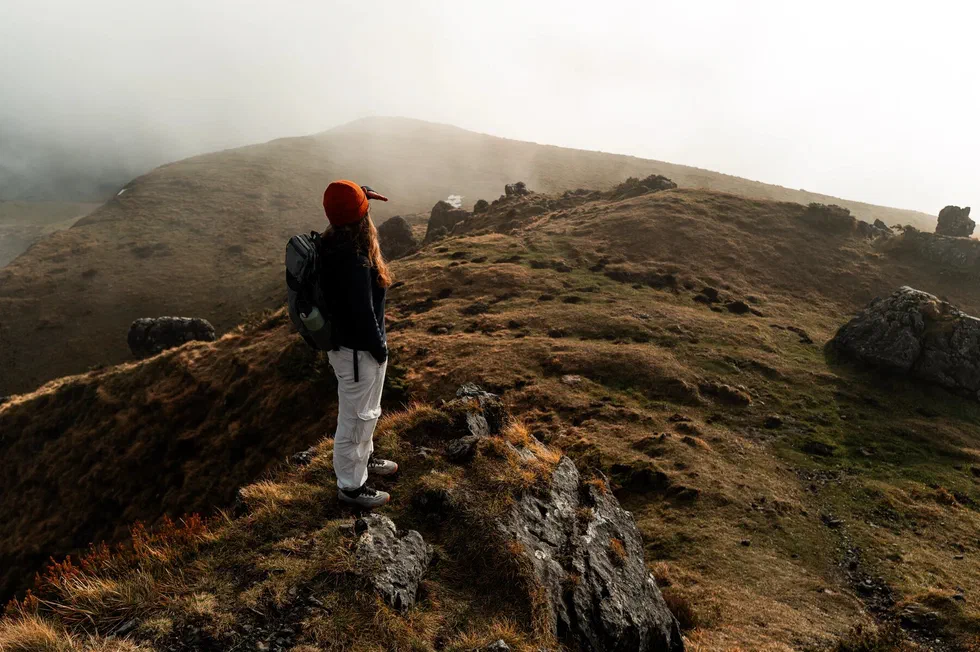
An image from my Leica Q3 collection on Glasschive, where you can clearly see the value of the site: light, relief, atmosphere, rather than a simple technical sheet. Photo credit: Mathieu Odin, via Glasschive.
And that is exactly what I expect from a site like this.
Why I find it useful
When I look for a camera or a lens, I want to see images that make me want to go out and photograph.
I want to understand whether the rendering speaks to me. Whether I like the colors. Whether the transition into blur feels pleasant. Whether the image has volume. Whether highlights remain beautiful. Whether portraits breathe. Whether landscapes have texture. Whether the lens seems to support an intention rather than simply tick boxes.
Glasschive answers that need very well.
The site does not replace technical tests, but it adds something that is often missing: the sensitive dimension. The one that makes a photographer sometimes choose a less perfect lens, but a more endearing one. Less surgical, but more alive.
I really hope the site grows
I like Glasschive a lot and I sincerely hope the project will prosper.
I would love to see the archive grow with many different lenses, varied systems, unexpected renderings, modern optics, older ones, imperfect ones, legendary ones, discreet ones or completely underrated ones.
Because deep down, this kind of resource can become extremely useful for photographers. Not only to buy gear, but to refine your eye. To understand what you like. To put words, or rather images, on a feeling.
And in a world where photography is often compared down to the millimeter, that is an approach I find truly valuable.
You can discover the project here: glasschive.com.
If this article speaks to you, you can see my photo reports, discover Pyrenees photo prints, or contact me about your photo project.