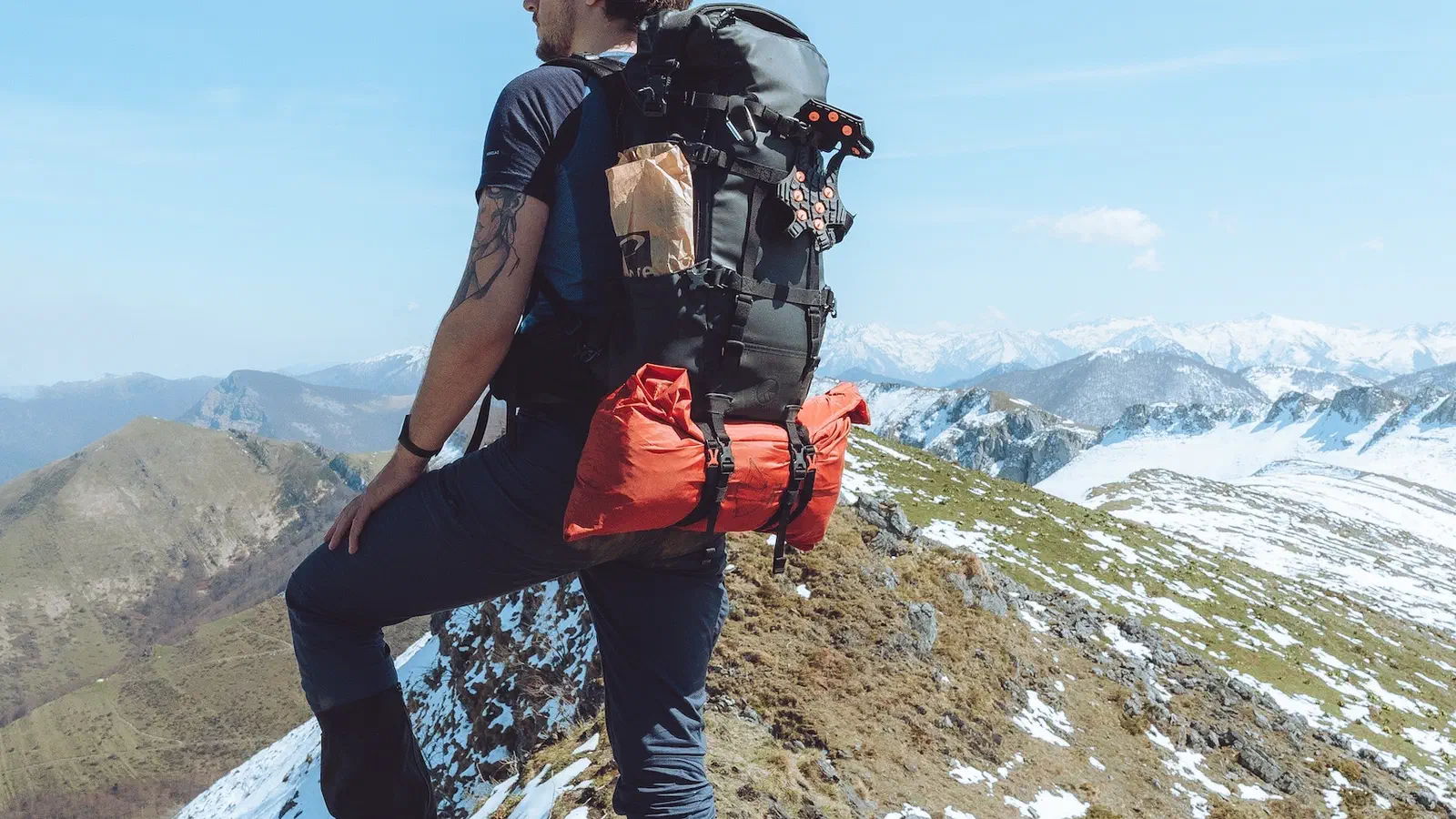
Buying guide for bivouacking in nature
Hello, Today I am sharing all my thinking around buying gear for bivouacking. It has been almost two years since I discovered the mountains, and the desire to go bivouacking was very present in me. Unfortunately, it was complicated because Eala, my dog, was 14, and her socialization with other dogs was not perfect. On top of that, dogs are not always accepted everywhere in national parks. She sadly left us recently.
As I write this, it has been 17 days, and I still find it just as hard to live with. The desire to clear my head and spend time in the mountains quickly merged with this idea of bivouacking. So here I am, digging through the internet, learning and finding out about possible gear for spending a good night in the mountains. I am sharing my thought process and the products I bought in this post.
Tent, sleeping bag and mattress: how to choose the best gear for a comfortable bivouac
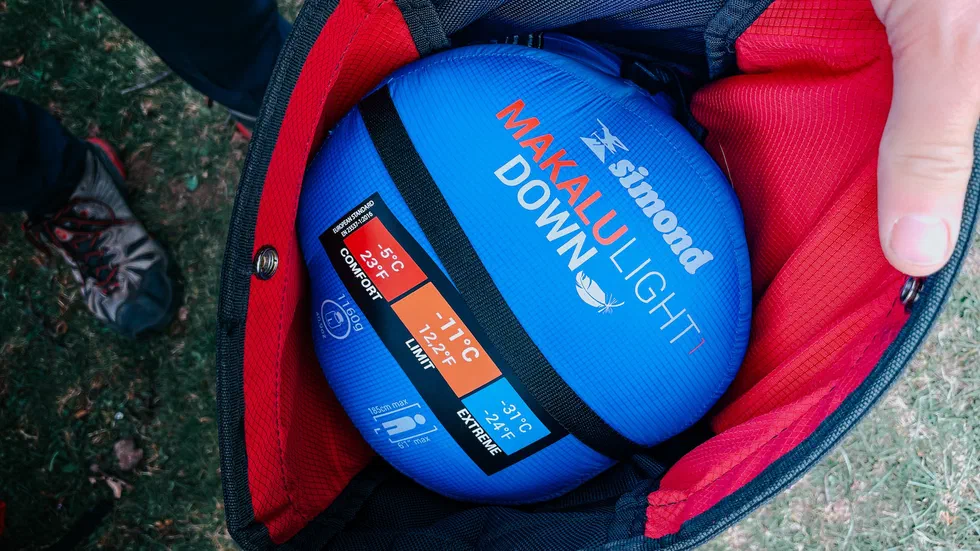
When I started looking into bivouacking, I realized how important the choice of gear was for a comfortable night. So I looked for a sleeping bag warm enough to handle cold mountain temperatures, as well as a mattress with good resistance to the cold. I finally chose a quality sleeping bag with a comfort temperature down to -5°C, as well as a mattress with a good R-value. Of course, I also tried to find the best compromise between comfort, price and weight, because those elements are also important for a successful outing. With these choices, I was able to spend comfortable nights while keeping my gear practical and easy to carry.
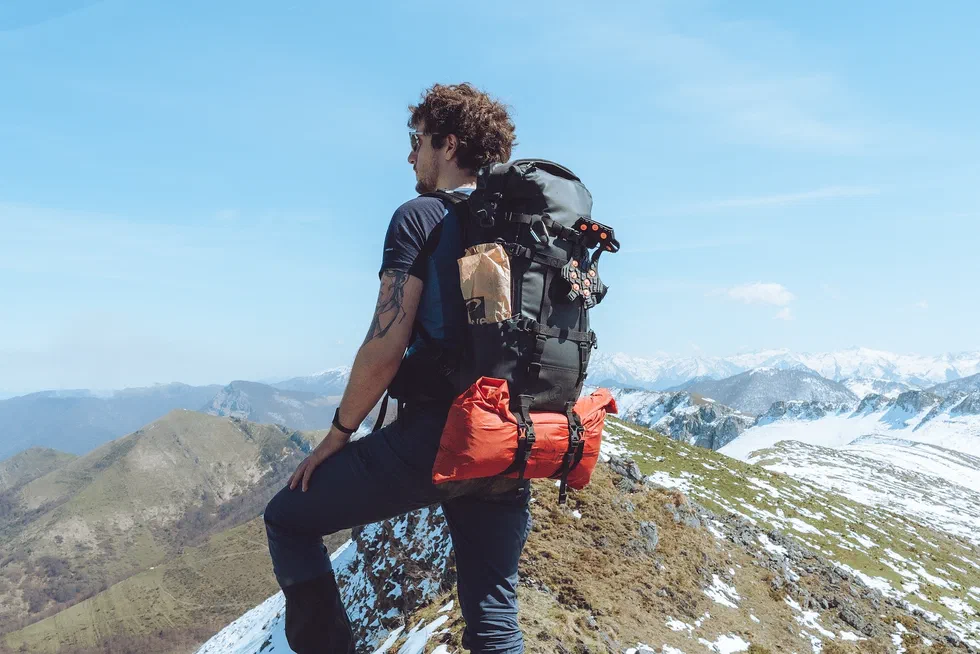
Sleeping bag for bivouac: criteria to consider for optimal cold resistance
I wanted to start directly with a good sleeping bag. If, like me, you are tired of starting an activity or discipline with low-end gear that makes you have a bad time, then you are in the right place.
If you are looking to improve your gear for your next mountain bivouacs, choosing the right sleeping bag is crucial to guarantee a comfortable and restful night. The Makalu I Light sleeping bag is an excellent choice for temperatures down to -5°C. It is both warm and light, making it an ideal option for roaming bivouacs. I have personally experienced ineffective 0°C sleeping bags. Spending a restless night because of a poor-quality sleeping bag that cannot maintain a comfortable temperature is extremely unpleasant. Imagine being cold at 6°C when your sleeping bag is supposedly designed for 0°C. The consequences can be disastrous, especially if you need to walk several dozen kilometers the next day.
Investing in a quality sleeping bag suited to your bivouac conditions is therefore essential to guarantee restorative sleep and optimal performance the following day.
Small comparison table of the three sleeping bags I considered.
The three sleeping bags have a similar composition, with 90% duck down and 10% feathers, and all three are RDS-certified to guarantee responsible feather sourcing. All three have a mummy shape.
Comfort in bivouac: how to choose a mattress with the right R-value for good thermal insulation
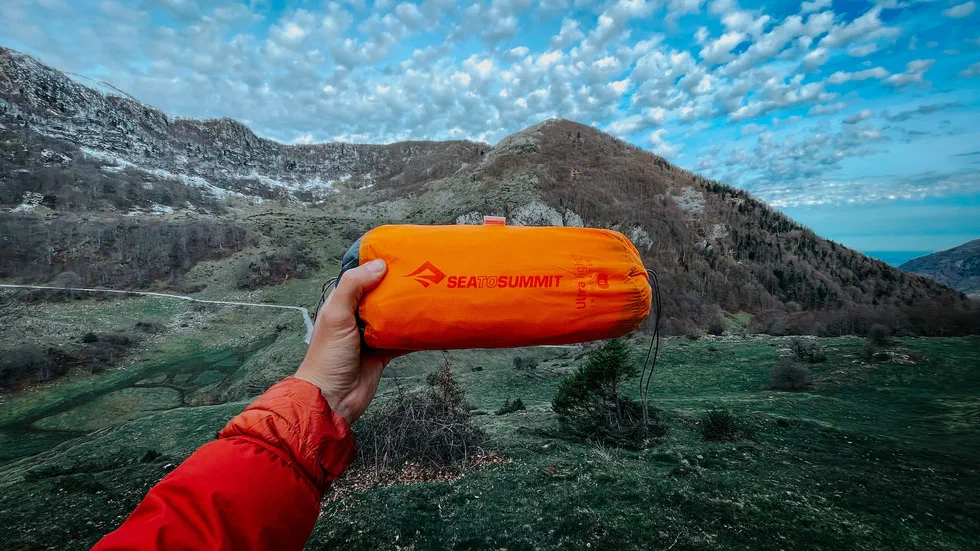
Which mattress should you buy? That is the question. At first I thought a good sleeping bag did the whole job, but putting a warm sleeping bag on cold ground is useless. I first considered the Forclaz MT500, but when I saw that its R-value was 1.5, I changed my mind and decided to spend a few more euros on the mattress. I then turned to the Ultralight Insulated by Sea to Summit, with an R-value of 3.1.
The R what? The R-value is a measure of the thermal resistance of a mattress or insulating material. It indicates the material’s ability to insulate against the cold. The higher the R-value, the more insulating and cold-resistant the mattress or insulation is.
How to choose a light and affordable tent for your nature bivouacs
To choose a light and affordable tent for your nature bivouacs, it is important to take certain criteria into account. First, you need to determine how many people will use the tent and the season in which you will camp. Then you should consider the weight of the tent, because a lighter tent will be easier to carry, though it may be less resistant to bad weather. It is also important to check the materials used to make the tent, as well as the dimensions of the interior space, to make sure you have enough room to sleep comfortably. Finally, price is another important factor when buying a light and affordable tent. In short, finding the right compromise between lightness, resistance, comfort and price is essential when choosing the ideal tent for your bivouacs in nature.
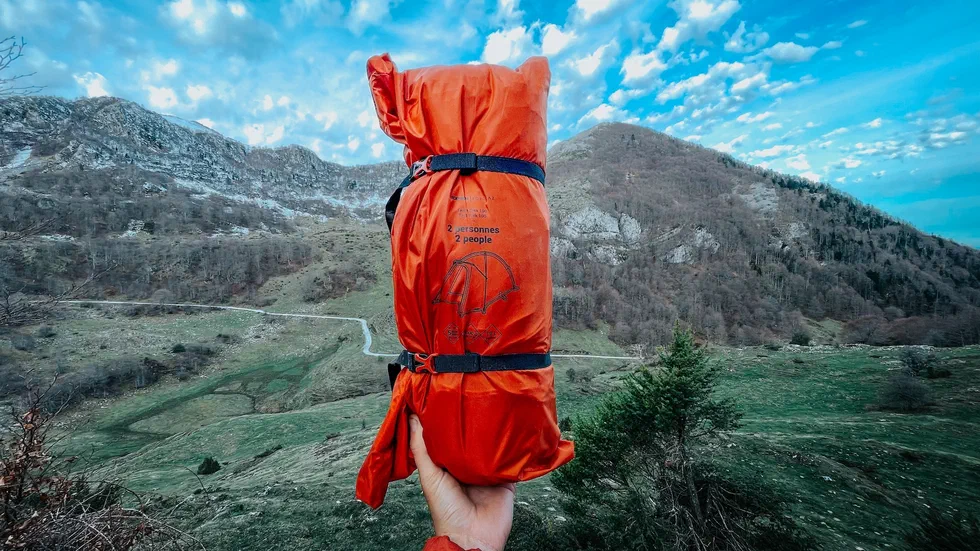
Personally, I chose a spacious tent designed for two people. I did not want to spend a fortune, because tent prices can climb very quickly. So I chose the Forclaz MT100 2-person trekking dome tent, which weighs 2.6 kg, but is solid and easy to carry. It sells for 100 euros.
Thank you for reading, I hope you enjoy your mountain outing! See you.
If this article speaks to you, you can see my photo reports, discover Pyrenees photo prints, or contact me about your photo project.